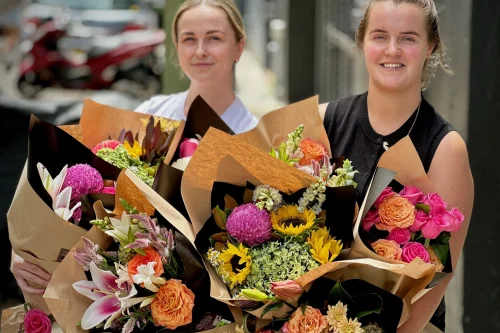
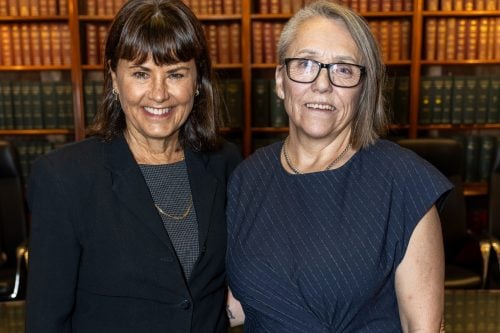
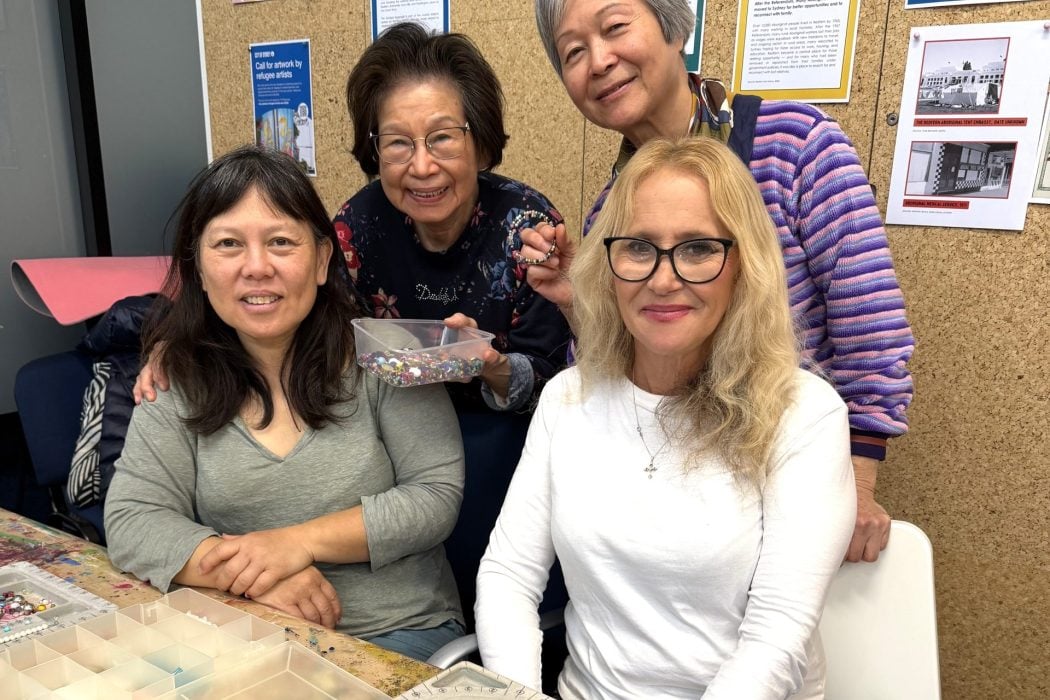
Lou’s Closet is back in 2026 celebrating 15 years!
This year, Lou’s Closet celebrates 15 years of turning style into support.
What began as a simple idea - that beautiful clothing could help change lives - has grown into a powerful fundraising initiative for Lou’s Place.
Lou’s Closet invites women to donate high-quality and vintage pieces from their wardrobes, giving them a second life and a deeper purpose. Each item sold raises vital funds to support Women of Lou’s - women rebuilding after domestic violence, homelessness and crisis.
If you would prefer to shop then please come along - everything you buy goes towards helping the *Women of Lou’s!
Every donated dress, jacket and treasured piece helps fund case workers, meals, advocacy and pathways to long-term stability.
From wardrobe to second chance.
From style to safety.
Thank you for being part of 15 years of impact - the next chapter is still to come.
May 2026 Event Details
The Tramsheds, 1 Dalgal Way Forest Lodge, NSW 2037
Thursday 1 May, 9am-7pm ($10 entry)
Friday 2 May, 9am-6pm ($10 entry)
Saturday 3 May, 9am-3pm (free entry)
Donating Clothes
If you’d like to contribute your designer or vintage wear to Lou’s Closet, then please get in touch with the wonderful Eugenie: eugenie@lousplace.com.au or call on
#louscloset @louscloset_sydney
Unity. Advocacy. Solidarity. Remembrance. Unite Against Violence: No More Empty Shoes 2025.
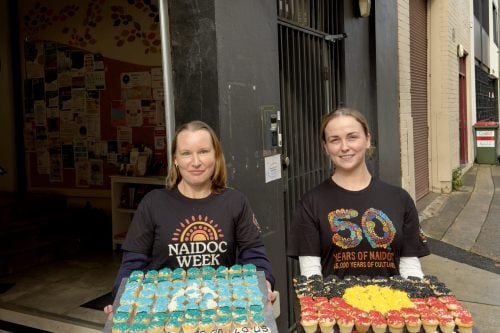
On Tuesday, 25 November 2025, Lou’s Place marked the first day of the UN’s 16 Days of Activism Against Gender-Based Violence by standing together with the NSW Vigil Collective in Martin Place for our "Uniting Against Violence: No More Empty Shoes" campaign. The event was a poignant reminder of the lives lost due to domestic and family violence (DFV) since the November 2024 Vigil.
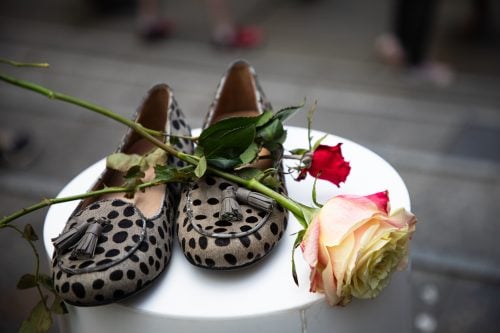
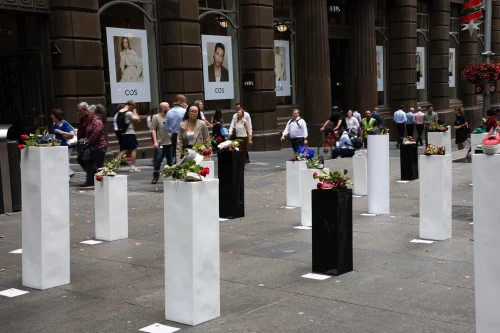
Plinths lined Martin Place, each with a pair of shoes on top to honour and remember the 49 women who have been killed. A rose was placed beside each pair of empty shoes during the reading of their names. We never forget these victims. A special installation to honour, remember and acknowledge the children killed by DFV stood directly in front of the stage. For the first time, a single plinth, separate from the others, stood as an acknowledgement of the animals killed by perpetrators of DFV. It supported the work of one of the collective members to raise awareness of the use of pets as a form of coercive control.
Strong voices spoke of the need for funding, for change and for standing together in UNITY. It takes us all in all our unique capacities, with what we do to make the changes that are needed to address this devastating endemic. Thank you to Hannah Tonkin, Women's Safety Commissioner, Delia Donovan, CEO of Domestic Violence NSW, Corey Anderson "Healing Through Yarning" and our main speaker Tabitha Acret. Tabitha’s powerful words spoke of the pain and love of a mother whose life was forever altered with the murder of her daughter Mackenzie due to DFV.
Tabitha continues to fight for change in policy, attitudes and systems, using her voice in the hope that no more families have to endure what she has. We congratulate her on what she has been able to achieve already, especially the recommendations to changes to the law for minimum sentencing for perpetrators of intimate family violence.
Lou's Place was proud to be chairing the collective which had expanded to include: Asylum Seekers Service | Banksia Women | Barnardos Australia | Bonnie Support Services | Centre for Women's Economic Safety | City of Sydney | Dress for Success | DV NSW | DV Service Management (DVSM) | Full Stop | Hope & Heal | Lou's Place | Lucy's Project | Muslim Women Australia | Northern Beaches Women's Shelter | NSW Aboriginal Women's Advisory Network | Pop In | RACS - Refugee Advice & Casework Service | South Eastern Community Connect - Domestic and Family Violence Service | SSI | Two Good Co | VOCAL | WAGEC | WEAVE | Women and Children First | Women's Community Shelters | Women's Housing Company | Women's Resilience Centre | Zonta International District 24 | 4Voices.
Special thanks to the City of Sydney for sponsoring the event, and to the wonderful Sydney Philharmonia Choirs for their uplifting music. To everyone who stood with us, the men, the services, the area police, the 81 year-old grandmother who travelled from Taree to remember and share her own experiences, the brave survivors, the people willing to bear witness and remember, thank you.
Police are called to a DFV situation in NSW every 3 minutes.
Our advocacy is not one day; it is ongoing. Thank you for your support of the NSW Vigil Collective and Unite Against Violence: No More Empty Shoes.
Photography by Amanda Lawson
Our Three-Year Strategic Plan
We are thrilled to report that we’ve begun to implement our comprehensive three-year strategic plan, developed by the board in 2025. It’s a road map that reflects our vision for the future, while honouring our founding values.
We are thrilled to report that we’ve begun to implement our comprehensive three-year strategic plan, developed by the board in 2025. It’s a road map that reflects our vision for the future, while honouring our founding values. This planning process has sharpened our focus and aligned our efforts towards measurable and meaningful client outcomes.
Our plan is four-fold:
To strengthen operational functions to lead best practice delivery for women in crisis.
To improve our financial resilience to meet the current and future needs of women in crisis.
To invest in the growth and well-being of our people to deliver better employee, team and client outcomes.
To deepen stakeholder engagement to deliver better collective impact.
This plan is aligned with the vision of Lou’s Place: to contribute to a world where all women experience safety, support and are empowered to live a life beyond survival.
The Stability First Housing & Homelessness Support Programme
The Stability First Housing & Homelessness Support Programme has continued to provide intensive, flexible support to women experiencing homelessness or at risk of losing their housing. Since it began in May 2025, more than 396 women have been supported, many facing domestic and family violence, mental health challenges and barriers to accessing mainstream services.
The programme’s flexible, low-barrier approach is helping women maintain or secure housing, reconnect with services nd navigate complex systems with greater confidence. Brokerage support has played a critical role in preventing tenancy loss, enabling swift responses to homelessness, and stabilising women during periods of financial crisis.
Our team's participation in the Homelessness Assertive Response Team (HART) and the Sydney Zero Action Group strengthens collaboration across the sector, improving coordination and reducing service gaps. Stability First continues to focus on supporting women toward safe, sustainable housing outcomes.
"I really appreciate all your help and checking on me means a lot. I had a hard time the last few months and it is such a relief to see everything settling with work and a place to live with my cutie. It feels like since being in contact with Lou's things started to move and I was able to leave the uncertainty I was living in, which was affecting me a lot. I am very grateful for your presence in our lives" - Stability First Participant
Community Clay’s Pottery Workshop
Community Clay recently ran a wonderful pottery workshop at Lou's Place, giving women the chance to get creative and try something new. They provided everything needed for a beginner-friendly experience and created a supportive, encouraging environment.
Delivered over three sessions, ten women had the opportunity to build pieces from clay, paint them, and send them off to be glazed. Creations included cups, trays, and trinket dishes, and the excitement to see the finished results was palpable. A huge thank you to Victoria at Community Clay for making this possible.
Photography by Amanda Lawson
Lou’s Christmas Party
The Christmas party at Lou’s is one of the highlights of the year for our women. Many arrive dressed in their party attire for a professional portrait with Santa. Some gather with friends for a group photo, and others bring their kids along to talk to Santa about their Christmas wishes.
Fun activities are organised, including carol singing, cookie decorating, card and Christmas ornament making. The volunteers put out a great spread of food. With our women, staff and volunteers celebrating together, it is truly a festive occasion.
Photography by Amanda Lawson
No More Empty Shoes 2025
Lou’s Place is once again involved in advocacy during the UN’s 16 Days of Activism Against Gender Based Violence. We are hosting a vigil to honour and remember the women and children we have lost to domestic and family violence (DFV) in 2025, in Martin Place on Tuesday, 25 November.
In 2024, the NSW Vigil Collective was created for this campaign, "Unite Against Violence: No More Empty Shoes", and brought together 8 organisations. This year, Lou’s Place is chairing the event, and we are expanding.
29 frontline services are involved in the collective thus far, including the Asylum Seekers Centre, Banksia Women, Barnardos Australia, Bonnie Support Services, the City of Sydney, the Centre for Women’s Economic Safety, Dress for Success, DV NSW, DVSM, Full Stop, Hope and Heal, Lou’s Place, Lucy's Project, Muslim Women Australia, NSW Aboriginal Women’s Advisory Network, Pop In, SSI, South Eastern Community Connect (DFV Services), Two Good Co, VOCAL, WEAVE, WAGEC, RACS, Wirringa Baiya Aboriginal Women's Legal Centre, Women’s Community Shelters, Women’s Resilience Centre, Women and Children First, 4 Voices and 1800RESPECT.
Our main speakers include DVNSW, Corey Anderson from Healing Through Yarning and Tabitha Acret, mother of Mackenzie Anderson, from “They Are Our Daughters”. She is a strong advocate for change for those who have been left behind. There will also be a surprise performance at the end of the formalities not to be missed (thank you Sydney Philharmonia Choirs).
A huge thank you to the City of Sydney who has awarded Lou’s a three-year grant to cover the costs associated with putting on this important event. Please keep an eye out for our media campaign and spread the word! We would like as many people as possible to attend the vigil.
Please contact rebecca@lousplace.com.au with queries about “Unite Against Violence: No More Empty Shoes”.
Tuesday, 25 November
Martin Place
Installation from 8am, formalities at 12 noon
Lou’s Closet 2025
Another year, another successful closet, with $135,000 raised! What an amazing result we achieved, thanks to help from our community. Every single cent raised goes directly to helping the women who access Lou’s services.
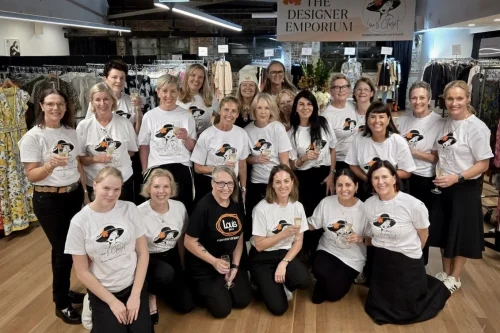
The Lou’s Closet Team
Another year, another successful closet, with $135,000 raised! What an amazing result we achieved, thanks to help from our community. Every single cent raised goes directly to helping the women who access Lou’s services.
We’re grateful for the continuous support of Australian designers Carla Zampatti, Bianca Spender, Moss and Spy, and Baz, as well as generous clothing donations from individuals.
Designer shoes at Lou’s Closet
We couldn’t have pulled it off without the tremendous efforts of the Lou’s Closet team who worked tirelessly over the three-day event, as well as in the months leading up to it.
The closet was held at the Tramsheds in Forest Lodge. Beautiful clothing hung in our designer boutique, with luxury international designers such as Gucci, Prada, Armani, Versace, Louis Vuitton, and Australian designers such as Zimmerman, Camilla and Marc, and Camilla. Our general boutique boasted well-known Australian labels, including Veronika Maine, Country Road, Cue and Sportscraft. The vintage and knitwear sections also proved to be very popular.
Lou's Closet Opening Night
Lou’s Pantry, a valued part of the closet, sold an array of homemade chutneys, seasonings, jams and baked goods, all prepared by our kitchen volunteers.
Lou’s Pantry homemade chutney and jams
Shoppers young and old snatched up many bargains, while at the same time supporting the sustainability of the fashion industry.
Thank you to everybody who supported Lou’s Closet. We can’t wait to see you all again in May 2026.
Photography by Anna Turner
Always Mum
Always Mum is a programme designed to support mothers navigating the child protection system. It comprises a 10-week therapeutic group and intensive case management. It’s a safe space where women can reflect on their parenting, share their experiences and obtain the practical guidance needed for self-advocacy in a challenging system. Always Mum works to reduce stigma, build confidence and affirm that no matter the circumstances, they will always be mums.
During the Term 2 programme, two mothers were granted restoration of their children which was fantastic. Both women are continuing to work with Lou's Place through the restoration process. Another 25 mums were supported by case workers during this period.
Participant feedback:
“I needed this time to heal and to get to a place where I could be what I needed to be for my kids. I can be a safe parent for my child.”
“I now understand that my kids are going through the same feelings of pain, confusion and powerlessness as I am.”
Stories of Hope
One mother, newly sober, at risk of homelessness and with minimal supports, came to Lou’s Place. She received support for her Section 90 application*, case management and emotional encouragement which helped her believe reunification with her son was possible. She is now preparing to welcome him home.
Another mother, who had fled a violent relationship, had both groupwork and case management while navigating child protection proceedings. With advocacy from staff, she secured safe housing, developed her parenting confidence and built strategies for healing from trauma. Her newborn was able to remain in her care, a life-changing milestone for her.
For others, it’s a longer journey. One mother celebrated 12 months of sobriety, secured housing, gained employment and gradually rebuilt her stability. With Always Mum, she is now on the cusp of having her daughter returned to her care.
*Section 90 application: a legal process whereby parents can ask the court to vary or cancel previous care orders when circumstances have changed.
Photography by Amanda Lawson
Connecting Through Change
Connecting Through Change (CTC) is our dedicated domestic and family violence (DFV) programme. It offers both group work and specialist case management. The programme is a vital pathway for women to step away from violence and walk toward stability, healing and empowerment. For some, CTC is the first step after leaving violence. For others, it’s a space to return to when needed, acknowledging that healing isn’t always linear.
Our therapeutic group programme creates a space to pause, reflect and connect. During sessions, women explore the dynamics of DFV, trauma recovery, boundary-setting and rebuilding self-worth. They share their stories, find solidarity, and begin to plan a different future. In addition to the Term 2 cohort attending the programme, another 33 women were supported with tailored case management to help them navigate the complexities of DFV.
Alongside groupwork, CTC provides specialist case management that is client-led, individualised and holistic. Violence does not occur in isolation; it affects housing, finances, health, safety and wellbeing.
Case managers provide help in the following ways:
Safety first: tailored safety plans, police liaison, AVO support
Housing and stability: social housing advocacy, crisis accommodation, sustaining tenancies to prevent homelessness
Health and recovery: access to trauma-informed counselling, assistance with hospital and mental health systems, brokerage for medication and essentials
Financial safety: access to the Escaping Violence Payment programme, crisis payments, food and transport vouchers, challenging debts linked to financial abuse.
Legal and systems navigation: providing support in court, referral to family law or immigration support
Case Studies:
One woman arrived after enduring escalating violence with nowhere safe to go. Within hours, our team secured emergency accommodation, accessed crisis payments, and wove therapeutic activities into her casework to ease her anxiety. Today, she is settled in long-term housing and planning her future with confidence.
A mother fleeing interstate violence was turned away by services at capacity. Our case managers advocated for safe accommodation, provided a safe phone and crisis brokerage. Today, she and her children are securely housed. She plans to join the group programme when she feels ready.
CTC shows what becomes possible when women are met with both immediate practical assistance and pathways for long-term healing. The programme equips women with tools, connection, and confidence to move forward on their own terms.
Stability First: Building Safe Foundations
At Lou’s Place, we know that a safe and stable home is the foundation for dignity, safety and recovery. As a pilot initiative, Stability First is Lou’s Place’s first government-funded programme, delivered through the NSW Homelessness Innovation Fund.
Stability First builds on more than 25 years of grassroots experience, while pioneering a flexible model of support for women who are homeless or at risk of homelessness. The programme maintains our low-barrier and inclusive approach. This ensures that women with complex needs, who are often excluded from other services, can access housing support in a trusted and familiar space.
Housing remains at the heart of our work. Homelessness is never just about housing. Many women who engage with Stability First are also experiencing violence, financial hardship and isolation.
Throughout June and July, Stability First supported 115 women in immediate crisis.
This included:
59 instances of homelessness support
48 instances of housing application support
89 instances of tenancy sustainability support – intensive support for women at risk of abandoning their homes due to safety concerns or poor conditions
The impact of Stability First is best understood through our women’s stories:
One woman arrived after leaving a violent relationship, with a young baby and nowhere safe to stay.
Others came after months of rough sleeping, or while managing grief, parole conditions, or family separation.
Through persistent advocacy, referrals and practical support, women were moved into crisis and transitional housing. They secured and furnished their long-term homes with the essentials needed to start again. They were supported throughout hospital admissions, linked to mental health and financial services, and guided to take steps toward family reconnection. For many, such intervention meant the difference between remaining in cycles of homelessness and beginning a path toward stability and safety.
Stability First is more than a new service; it represents a system-wide investment in more inclusive homelessness responses. As part of the Homelessness Innovation Fund, the programme will not only continue to support women at Lou’s Place but also contribute to broader reform. Stability First aims to help shape more accessible, flexible approaches to housing support across NSW.
The Drop-In Centre
The drop-in centre has been notably busier in recent months. Breakfast numbers are consistently higher, and the morning demand now flows through the day, with the centre averaging around 50 women per day. Around 15 women a day use our laundry services.
Throughout June and July, we recorded 2,143 visits from 518 individual women. This included 52 new clients. We’ve implemented a client suggested ticketing system for our lunch service. This has eliminated long queues while allowing women to rest or continue with other tasks. Feedback from both clients and volunteers has been extremely positive.
The client services team do far more than managing the laundry and facilitating the shower service. While they don’t provide case management in a formal sense, they regularly support women in crisis: triaging needs and offering practical support.
A Case Study: Rebuilding Safety and Stability for Sarah after DV
Sarah had been living with her violent partner until he was removed from the home by police. She faced eviction due to non-payment of rent, which was a direct consequence of her situation. This sudden instability left her both emotionally overwhelmed and at risk of homelessness.
Sarah was put in touch with an AVO (Apprehended Violence Order) lawyer. The original AVO had been agreed upon under coercion by her partner, so her lawyer had the AVO amended to provide better protection and to prevent further breaches.
Sarah's child is currently in the care of extended family. The Department of Communities and Justice (DCJ) has indicated that the child may return to her care once she has greater housing and personal stability.
Sarah is supported by her caseworker with:
ongoing housing applications for private rentals
emotional support and trauma-informed care
counselling referrals for therapeutic support
safety planning and connection to additional DV support services as needed
Sarah continues to work towards rebuilding her life, establishing a safe and stable environment so that she can regain custody of her child.
Volunteers: The Lifeblood of Lou’s Place
Volunteers are at the heart of Lou’s Place. Their generosity, time and commitment are integral to our operation. We have 134 active volunteers, with 27 new volunteers joining us this year.
Lou’s Place Volunteers Melissa, Gerri and Jo
Volunteers are at the heart of Lou’s Place. Their generosity, time and commitment are integral to our operation. We have 134 active volunteers, with 27 new volunteers joining us this year.
In 2025, we nominated our activity volunteers for the NSW Volunteer of the Year Awards in recognition of their commitment and dedication to providing therapeutic and skill-building activities at Lou’s Place. These awards, coordinated by the Centre for Volunteering, not only celebrate the valuable contributions of our volunteers, but also highlight the critical role of volunteering in NSW.
What our volunteers are saying
Volunteering at Lou’s Place is the best part of my week. The smiles and thank yous from the women as we serve up lunch makes my heart sing.
Lisa, cooking volunteer
My cooking role is all about preparing family style lunches for the women to enjoy. It brings them together, sharing kindness and connection over a meal.
Anonymous, cooking volunteer
I cook a BBQ lunch once a month. It’s a special role as I’m the only male allowed to work onsite. The women are always appreciative, and it feels good to be able to do something small that brings them joy.
Richard, cooking volunteer
I have been teaching yoga and mindfulness at Lou’s Place for almost 10 years. I feel fortunate to be able to offer my skills to a community in need and I find it very rewarding. Sometimes women come in stressed about something in their lives, and it’s nice to see them relax and leave the class in a better space.
Tessa, activity volunteer
Photography by Amanda Lawson
Meals to go
Redfern Legal Centre Joins Lou’s Place
This year Redfern Legal Centre joined Lou’s Place as one of our outreach clinics. Our network of specialist clinics provides women with vital support and expert advice in a safe, comfortable and familiar space. By offering these services onsite, we can ensure that women can get support they might not otherwise receive.
Redfern Legal Centre runs a two-hour weekly outreach clinic at Lou’s Place. They offer legal advice and casework to women regarding tenancy and housing issues, employment and discrimination, fines, consumer complaints, domestic violence and financial abuse, as well as criminal matters.
“We are proud to partner with Lou’s Place to assist women in addressing tenancy, debt, child protection, policing, domestic violence-related and a range of other legal issues. We value the opportunity to work in such a welcoming and supportive environment, delivering practical legal support to some of the most vulnerable members of our community.”
Alexis Goodstone, Principal Solicitor at Redfern Legal Centre
Partnership with HOST/HART
We’re excited to report that Lou’s Place has now joined forces with the Homelessness Assertive Response Team (HART) and Homelessness Outreach Support Team (HOST).
As part of this partnership, our team is rostered for weekly outreach at Central and Town Hall stations. Working with other inner-city services, we talk to rough sleepers, offer immediate support and link them to appropriate housing, health and welfare services.
This collaboration strengthens our presence in the inner-city homelessness network and enhances our capacity to connect with women experiencing street homelessness. It also ensures a coordinated, multi- agency approach to support.
Donor Night
In May, we had the pleasure of opening our doors to our donors, champions, advocates and partners for our annual supporter night. The highlight was hearing from one of the most resilient women we've ever encountered.
In May, we had the pleasure of opening our doors to our donors, champions, advocates and partners for our annual supporter night.
The highlight was hearing from one of the most resilient women we've ever encountered. She lost custody of her daughter due to a 15-year drug addiction, trauma and mental health issues, which brought her to Lou's doorstep in 2019. Now four years sober and mentally stable, she sees her daughter weekly with restoration plans underway, breaking a three-generational cycle of addiction. Her message: healing is possible with the right support, and no one is ever too far gone to come back.
One of our new volunteers, Claire McCarthy, facilitated a Q&A with Rebecca Fitzpatrick, chair of the board, and Genavieve Sakr, programmes manager, to share our current challenges, proudest moments and future vision.
As always, our Marmalade Foundation volunteers rolled up their sleeves to make the night a success. We are so grateful for their support and to everyone who took time out of their busy schedules to attend.
NAIDOC Week 2025
NAIDOC Week at Lou's Place is always a special opportunity to celebrate the history, culture and achievements of Aboriginal and Torres Strait Islander peoples.
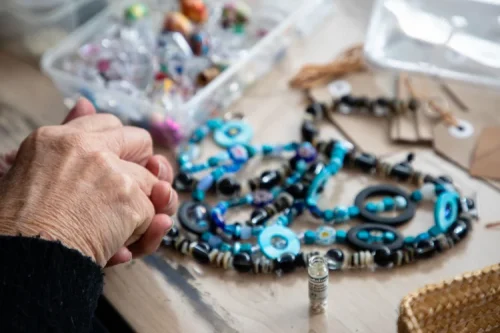
We hosted a range of activities, including two First Nations movie screenings, complete with popcorn and lolly bags. Ngumpie Weaving led a weaving session. In addition, Lou’s ran a jewellery-making session using material with Aboriginal and Torres Strait Islander colours.
NAIDOC Week at Lou's Place is always a special opportunity to celebrate the history, culture and achievements of Aboriginal and Torres Strait Islander peoples.
We hosted a range of activities, including two First Nations movie screenings, complete with popcorn and lolly bags. Ngumpie Weaving led a weaving session. In addition, Lou’s ran a jewellery-making session using material with Aboriginal and Torres Strait Islander colours.
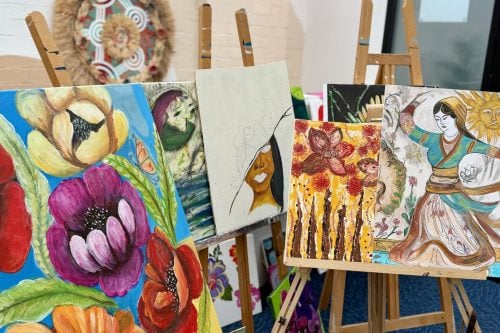
One of our Aboriginal women led an art session. She shared her culture and the meaning behind dot paintings, before guiding others to create their own artworks. It was truly a creative way to learn, connect and to honour Aboriginal culture.
All women who attended the NAIDOC week events took part in creating a beautiful wall hanging for Lou’s Place.
Later in the week, clients, volunteers and staff enjoyed a NAIDOC community BBQ, prepared with native meat rubs and seasonings. The lunch provided a spirit of community and respect, as well as an opportunity to learn more about Indigenous culture.
Photography by Amanda Lawson
Supporting Culturally & Linguistically Diverse Women - Case Study
Inclusion is at the heart and soul of Lou’s Place, so we were touched when a member of our community, who has experienced significant marginalization in her life, decided to document and share her journey with us as a case study.
You can read the full case study below.
What is the driving force behind Australia’s hospitality to those in need?
A case study at Lou’s place by K.H. Lee (2025)
Acknowledgement
I am writing to express gratitude for the incredible help and support many women from linguistically and culturally diverse origins have received since I have known about Lou’s Place. I first visited Lou's place during the COVID-19 period in December 2021, when I was facing difficulties due to isolation and a lack of social interaction. One of the staff members at Lou's place, Alice, welcomed me with a warm smile, and showed me respect, empathy and cultural awareness. She introduced all the programs they had to offer and gave me details about the new place they would be moving to soon. Thanks to her hospitality, I was encouraged to access Lou's place again. I have sometimes received assistance from Lou’s place since 2024.
I am also very grateful for the incredibly kind and sincere guidance provided by the service manager, Hannah. Hannah is always respectful, gracious, and also very positive, which has given the many women who visit there much courage. Hannah has also demonstrated the ability to integrate cultural awareness and strong communication skills in serving clients, making them feel more comfortable. I would also like to express my thanks to Client Service Officer Jenni, who has been working tirelessly to assist clients such as me. She possesses a wonderful and deep understanding of various clients’ needs. For example, when I was in a very desperate situation, she was able to refer me to a caseworker for Opal card assistance, which saved me from paying a $200 train fine penalty. Lastly I wanted to express my gratitude to Darcy, who is also one of the client service officers – she is very empathetic and sincerely listens to the clients doing her very best to help them.
Introduction
The objective of this feedback is to express gratitude from the many clients accessing Lou’s place for the amazing help and support the staff of Lou’s place have shown to women from various cultural and linguistic backgrounds and for how hospitable the staff members have been. Staff members’ have incorporated hospitality and cultural sensitivity which has provided many ladies opportunities for social interaction. Lou’s place achieves this by offering various learning programs and enjoyable activities including music, arts, yoga and mindfulness. Formulating and understanding the relationship between personal and professional needs of clients in a charity context is important to assist vulnerable women so that they can achieve their goals. It also provides them with social interaction through various enjoyable activities in a relaxing and nonjudgemental setting.
The first part of this paper looks at various aspects of staff at Lou’s place including:
how hospitable the staff members are;
what ability they have to integrate cultural diversity in serving their clients;
how they encourage their clients to benefit from services in a non-judgemental community and
what programs and activities are available
In the last two parts, this paper will look at how staff members’ hospitality examined in the first part will help lead clients to have better social interactions in a non-judgemental setting using different activities and learning programs. This should encourage clients’ desires to learn something new through the learning programs & activities offered in a relaxing, wonderful, and non-judgemental setting that Lou’s place creates. The first part analyses the abilities staff need to have to effectively assist clients, as well as the importance of the relationship between staff members and clients. Finally, the conclusion expresses gratitude for staff members’ tireless efforts to help their clients and to encourage more communities, more local governments, and more people to become aware of the great programs Lou’s place has to offer. It also identifies what abilities Lou’s place may have that are more effective for their clients and what sort of strategies clients themselves can employ to fully obtain benefits from Lou’s place.
Hospitality, cultural sensitivity, strong communication skills, and empathy
When communicating with the public, migrants may experience interactions with locals that can be demoralising, if not hostile. This could be due to cultural and linguistic differences, unfamiliarity, or inherent biases. On top of that, people in Australia are sometimes judged based on their skin colour and nationality, rather than their abilities and skills (Maddox & Gray, 2002; Herring, Keith, & Horton, 2004; Keith & Herring, 1991). However, many women from various cultural and linguistic backgrounds have a different, more positive experience as they start to access Lou’s place and the services there. Lou’s place has provided women in need with assistance since 1999 and aims to provides a safe environment for all women offering them comprehensive care in a non-judgmental community. At Lou’s place they can access a stunning array of services including meals, showers, clothes, laundry, medical care, legal assistance for domestic abuse, crisis referrals, and case management.
Incredibly, there is no racial or cultural discrimination for women in this charity setting. Any woman who needs assistance is welcome. The staff members provide vulnerable women with hospitality, empathy, and cultural awareness which helps remove barriers that they have experienced in society. Also, the staff members of Lou’s place have always shown every client kindness and hospitality. Whenever clients came in, they greet customers with a bright smile and a comforting tone when they explain their programs and vast array of activities to clients. This had led to more clients accessing Lou’s place where they are able to benefit from various programs and assistance Lou’s place provides. Increased safety, access, and equity for all groups is a result of staff members efforts to provide culturally sensitive services and exhibiting empathy in addressing clients needs. This may also encourage clients to attend appointments and feel comfortable coming in to access services (Bennett & Morse, 2023: Stewart, 2006).
It is likely, the Service Manager has encouraged staff to integrate cultural awareness into client care and this creates a relaxing environment where cultural and racial discrimination is completely absent, removing barriers to equity. Her dedication can improve understanding, equality, and accessibility for women from various backgrounds.
A country's cultural and diplomatic standing can indeed be reflected in how its social workers interact with marginalised populations (Bennett & Morse, 2023). Like these two authors’ state, it is very important to acknowledge the sincerity staff members of Lou’s place display in helping marginalised women from culturally and linguistically diverse origins as this can inspire others in our society. The staff members’ of Lou’s place are applying their culturally sensitivity through their communication skills by using empathy and understanding in tackling diversity and equity issues clients face. Generosity is thought to not only support the community but also generate a positive social or public reputation for society (Chen et al., 2017; Porter and Kramer, 2002; Wang et al., 2019). In the next paragraph, the benefits from providing a better environment with social interaction for clients will be explored further.
Social interaction
Staff members of Lou's place try to provide a welcoming environment and to improve their services which leads to improved attendance at appointments (Bennett & Morse, 2023: Stewart, 2006). By doing so, it is believed that staff members can strengthen their relationships with clients to enhance their well-being. The staff of Lou’s place are able to build trusting relationships with clients centred on providing a welcoming and hospitable environment at Lou’s place and providing them opportunities for social interaction. In this relaxing setting, Lou's place creates intrinsic motivation for women from different cultural and linguistic backgrounds to come to Lou’s place and engage in social interaction (Lee, 2021). For example, when women first come to Lou’s place, they didn’t converse much with others, and ate while watching TV. However, with the support of staff, they gradually began to meet one another, allow each other space when using the washing machine, exchange information, and share their respective cultures with each other. This is a good example showing how Lou’s place facilitates social interaction.
The increased social interaction created by the welcoming environment has a significant impact on the women's mental health. Simply being in a new location did not guarantee that all women made use of the increased chances for social engagement, as their motivation was influenced by a range of internal and contextual factors (Lee, 2021). This provides a useful lesson to other countries who try to enhance the well-being of vulnerable women. One such example at Lou’s place is when a staff member sat with a new client and tried to watch TV with her so that the lady felt comfortable and relaxed.
Another example is when a client arrived in a fit of rage, upon which the CEO of Lou's place invited her into her office and listened to her life story and even prepared tissues for her. We were deeply touched by the CEO's generosity. What propelled clients to engage in more social interaction was the vast array of activities that they could engage in at Lou’s place, which they mentioned were fun and enjoyable (Lee, 2021). In the next section, the activities, learning programs and therapeutic groups provided to clients will be discussed further.
Activities, learning programs and therapeutic programs in a non-judgemental setting
By offering person-centred and tailored assistance to women, Lou's Place aims to establish trustworthy relationships with clients so as to improve the client’s personal welfare. In addition, it aims to construct and provide a safe environment for all women by offering comprehensive care in a non-judgmental community. Staff members are welcoming and empathetic in this setting which extends beyond merely providing assistance to include learning programs and a wide range of activities. These include workshops for health, creative writing, yoga, music, art, sewing, and jewellery-making so as to give clients meaningful and lifechanging experiences (Cockburn-Wootten & McIntosh, 2020). Women from various backgrounds mentioned that they did not have this relaxing environment in their home country, and were happy that Lou’s place provided them person-centred and innovative programs that enhanced their individual well-being. They can engage in enjoyable social interaction and other activities there (Lee, 2021). They said the new learning environment at Lou's pace offering a wide range of activities like creative writing, yoga, art, painting, music, sewing, and jewellery making, was interesting and pleasant.
Some women have experienced severe hardships such as domestic violence, homelessness and placing children in foster care and in these cases, Lou's Place offers therapeutic groups to assist them. The clients are given the autonomy to select social contacts in the organisation and several different activities that can be beneficial to them (Lee, 2021). As Barron (2006) notes “this independence affords greater opportunity to adapt one’s environment” (Lee, 2021; Barron, 2006, p. 196). Like these two authors mention, some women believe that these activities have helped them with their self-esteem. Furthermore, many clients have claimed that sewing is really beneficial because it not only allows them to mend their clothing but also saves money. Learning new skills and partaking in engaging activities can increase self-esteem by instilling a sense of achievement and competence (Yadav, 2024). For example, a few clients mentioned that they came for support and food, however, through their exposure to the learning activities offered, they gained self-esteem. To reach both Lou’s place and clients’ goals, continuous improvement from collaborative and culturally responsive staff can improve services for marginalised woman from different cultures (Bennett & Morse, 2023). The skills staff possess such as cultural sensitivity, empathy, and communication skills help encourage clients to engage in learning programs and enjoyable activities that might benefit them (Gretzinger & Hicks, 2024). This non-judgemental community can positively change the lives of clients as well as help build a healthy society which provides dreams and hope to its vulnerable citizens.
Conclusion
I have written the feedback in this paper to express my gratitude to the staff of Lou’s place for the support they provide to marginalised women and others from different cultures now and into the future. Your philanthropic legacy and generosity is greatly appreciated and it will be remembered. This feedback paper hopes to spread the word about the beautiful assets Lou’s place has so that more vulnerable women will have the opportunity to share the spirit and purpose of the Lou’s place. The discussion in this paper also provides an overview for government and communities to encourage direct engagement not only with the clients that access Lou’s place but also to the many donors who support it. The paper illustrates what skills and abilities staff of the Lou’s place posses to work tirelessly in serving vulnerable women. This can be helpful in formulating strategies to build a wonderful, non-judgemental community where every woman is treated equally. Many clients are experiencing difficulties and may need something to boost their self- esteem. They were encouraged through social interaction to engage in enjoyable activities in a relaxing and safe environment at Lou’s place. In summary, this is an important community where women are encouraged to have a better life perspective that helps them reach their goals and navigate their identity. This paper also expresses my heartfelt gratitude to the staff members as well as Lou's Place CEO, Mandy, for their support and kindness over the years. Lastly, I hope that the warm stories of support provided by staff and a thorough understanding of their dedication will be shared with more people in communities around Sydney as well as around the world. I also hope that the family and future of Lou's place will be filled with abundant blessings, and that the gift of love will be delivered to them.
Reference
Barron, B. (2006). Interest and self-sustained learning as catalysts of development: a learning ecology perspective. Human Development, 49(4), 193-224.
Bindi Bennett & Claire Morse (2023) The Continuous Improvement Cultural Responsiveness Tools (CICRT): Creating More Culturally Responsive Social Workers, Australian Social Work, 76:3, 315-329, DOI: 10.1080/0312407X.2023.2186255
Chen, M.-H., Chen, C.-C. and Jiang, Y. (2022) ‘Risk reduction effect of hospitality philanthropic giving: Theoretical Framework and empirical evidence’, International Journal of Hospitality Management, 103, p. 103224. doi:10.1016/j.ijhm.2022.103224.
Cockburn-Wootten, C., & McIntosh, A. (2020). Bridging hospitality education and community. Hospitality Insights, 4(1), 3-4. https://doi.org/10.24135/hi.v4i1.74
Godley S, Romocki LS. Celebrating 10 Years of Pedagogy in Health Promotion: In Defense of Diversity, Equity, Inclusion, and Antiracism in Public Health Pedagogy. Pedagogy in Health Promotion. 2024;10(4):208-209. doi:10.1177/23733799241293162
Lee, K. (2021). International students’ experiences of English language learning in their home countries and Australia. Figshare. https://doi.org/10.25949/21366858.v1
Lou’s place. (2025). Lou’s Place. Retrieved July 2, 2025, from https://www.lousplace.com.au/activities
Uzogara EE, Lee H, Abdou CM, Jackson JS. A comparison of skin tone discrimination among African American men: 1995 and 2003. Psychol Men Masc. 2014 Apr 1;15(2):201-212. doi: 10.1037/a0033479. PMID: 25798076; PMCID: PMC4365794.
Yadav, S. (2024, November 13). Learning a new skill can significantly boost your Self-Confidence. Medium. https://medium.com/publishous/learning-a-new-skill-can-significantly-boost-your-self-confidence-1086e772cb4
A Message from Amanda Greaney, CEO
Over the last year at Lou’s Place, we reached record numbers of women seeking support—women from diverse backgrounds, many facing homelessness, financial hardship, or deep loneliness. Overwhelmingly, the vast majority have experienced domestic or family violence, or other traumatic events throughout their lives. Their experiences remind us daily why our work is so essential.
We understand that the women who walk through our doors often come with complex needs, including significant mental health challenges. Many have faced repeated judgement elsewhere. We remain a low-barrier, non-judgemental space, dedicated to offering genuine compassion and understanding.
This year, we also focused on strengthening our infrastructure—enhancing data collection, refining our processes, and expanding our team and programmes. These improvements enable us to respond more effectively to the urgent needs we encounter each day.
Our success is the collective achievement of our devoted staff and volunteers, our board, the Marmalade Foundation, our donors, partner organisations and the courageous women who trust us with their care. We thank you for making this journey possible.
Together, we will continue to provide a safe place where ALL women can access support and shape a future of hope.